


Never before in this historical moment must we cling to our history
. These are the words of an engaged historian, Marc Bloch, who analyzes The past in light of the present and the present in light of the past
, attributing to collective memory a central role in solving the problems of the present
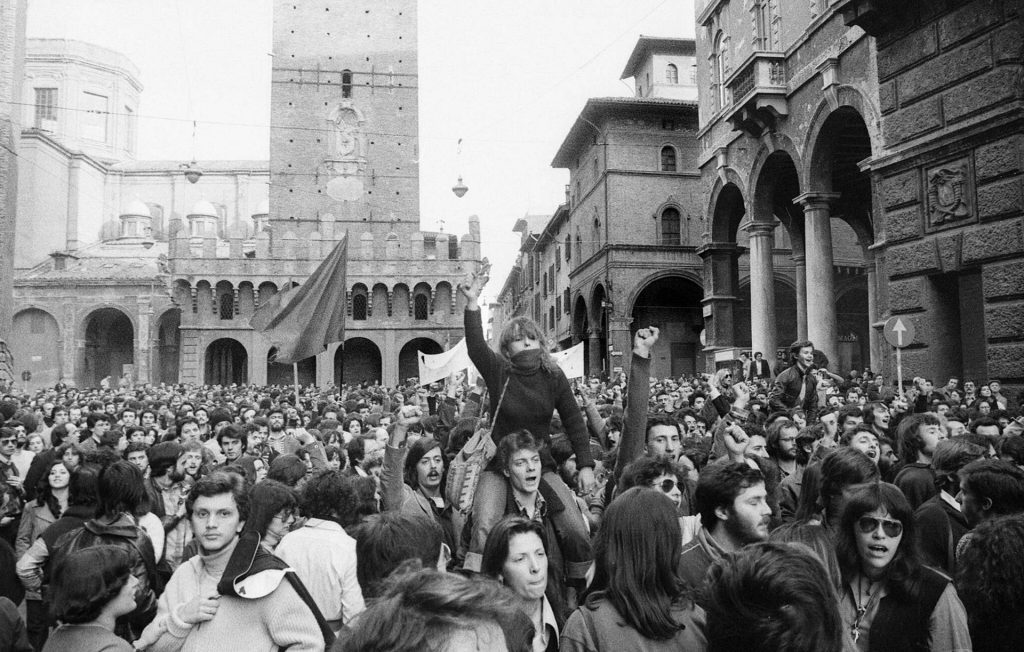
. 
That’s why it’s essential today to analyze the sedimentations of movements.
Since its founding in May 2021, the Archive of Open Memory has reached many milestones: it was opened to the public in December 2023 and has been consulted by scholars and enthusiasts.
The goal of this new milestone, in its first version, is to make accessible online the large amount of material physically housed in the historic headquarters on Vicolo Pontecorvo, in Padua.
The work has been managed collectively, as has the entire archive.
The first challenge we had to face was the quantity and diversity of the documents, which include both paper and multimedia formats.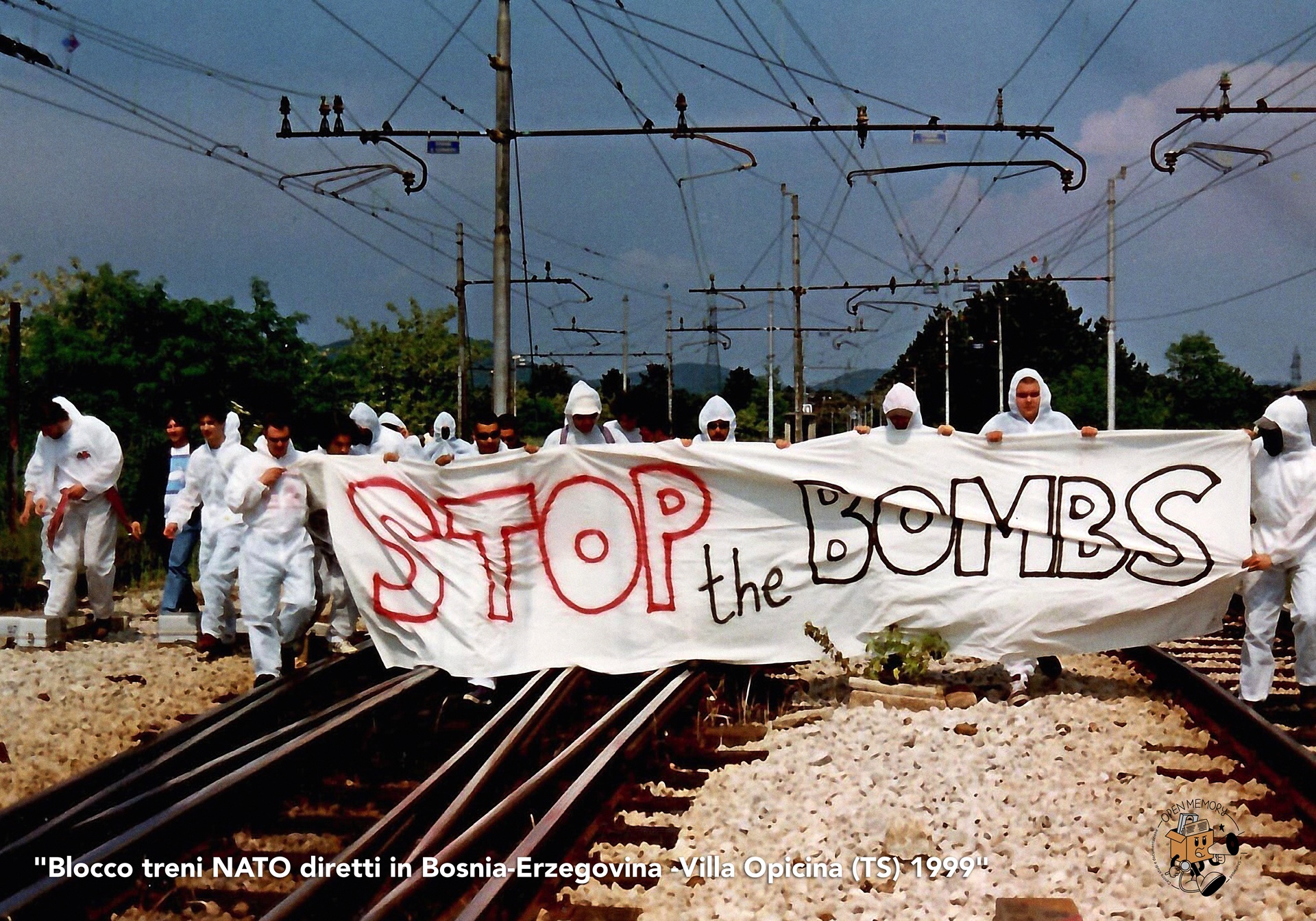 The choice we made was to try to ensure a consistent viewing experience across all types of available materials.
The most demanding task remains the digitization of paper materials and, to date, despite our great commitment, we can only say that we are still in an early phase.
Our hope is that the approach we’ve taken to the work, and the web solution we’re proposing, will be useful and easy to use; and above all, that it will achieve the goal of sharing with everyone who visits it a historical and human journey that, even after many years, proves to be more relevant than ever.
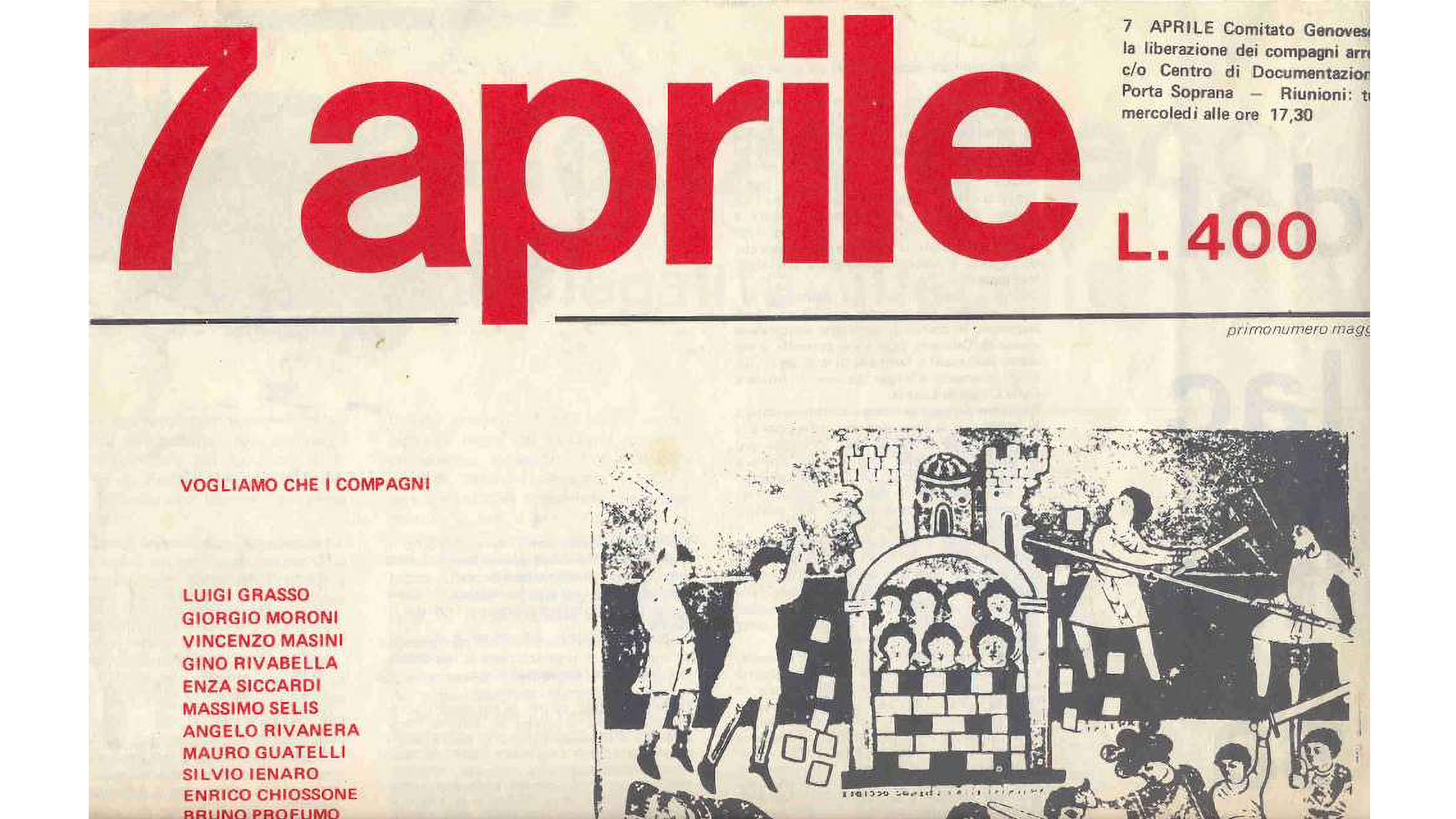
In the digitization process, which as mentioned is still work in progress, we prioritized collections that were donated, as they have greatly enriched the documentary material. We also decided to divide the content into seven categories: documents, audio, video, magazines and periodicals, press archive, library, and images.
The goal is to build a meaningful container—that is, a portal that is truly useful and accessible. The feedback from those who will use the archive is therefore of fundamental importance. All constructive criticism, suggestions, and reports of errors or malfunctions are welcome.